Safety
Hydro-Excavation (HE)
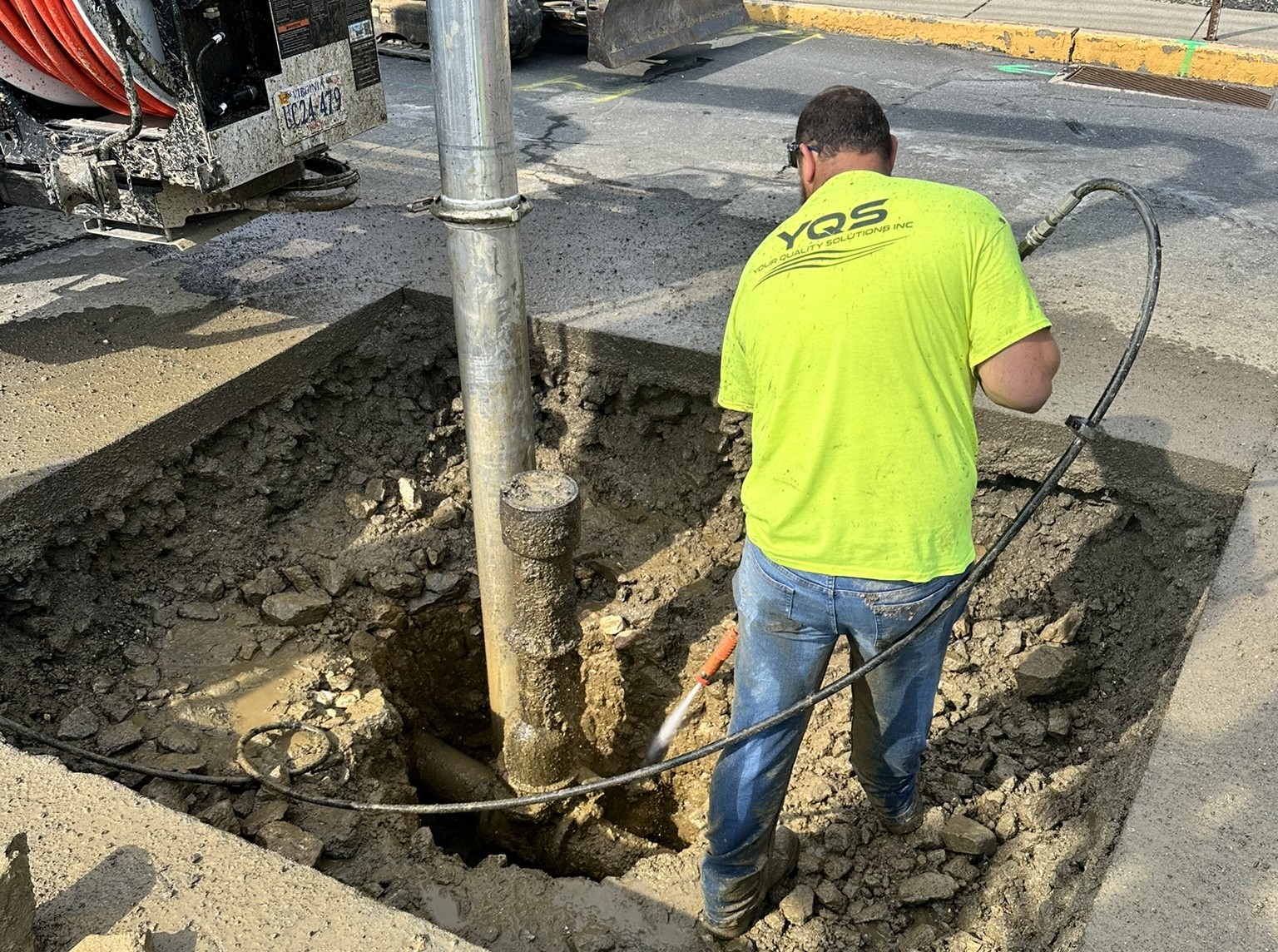
Minimizes risk of damaging buried utilities by using pressurized water.
Conventional Excavation (CE)
Higher risk of striking water, gas, or electrical lines.
Precision
Hydro-Excavation (HE)
Highly accurate – ideal for tight spaces and sensitive areas.
Conventional Excavation (CE)
Less precise – more over-digging and backfilling required.
Speed in Sensitive Areas
Hydro-Excavation (HE)
Faster for utility locating and spot excavations.
Conventional Excavation (CE)
Slower in congested underground areas due to caution needed.
Environmental Impact
Hydro-Excavation (HE)
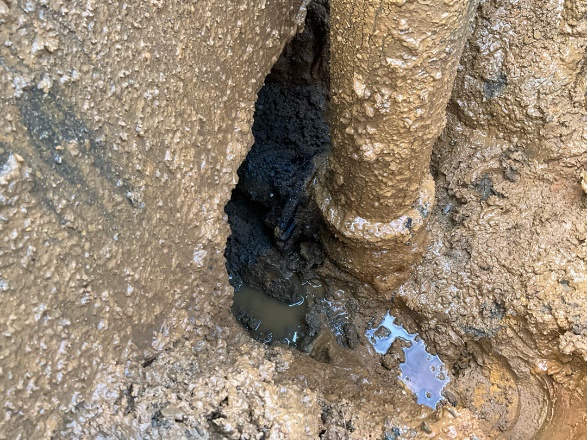
Less soil disturbance, reduced erosion, smaller site footprint.
Conventional Excavation (CE)
More soil disruption, potential for sediment runoff.
Cleanup
Hydro-Excavation (HE)
Cleaner – spoils are vacuumed directly into a debris tank.
Conventional Excavation (CE)
Messier – spoils left on site, requiring additional cleanup.
Weather Performance
Hydro-Excavation (HE)
Works in frozen ground with heated water systems.
Conventional Excavation (CE)
Difficult or impossible in frozen ground without extra prep.
Cost Efficiency
Hydro-Excavation (HE)
Saves money by avoiding utility strikes and minimizing restoration costs.
Conventional Excavation (CE)
Lower upfront cost, but higher risk of expensive repairs.

How It Works:
Locating Utilities:
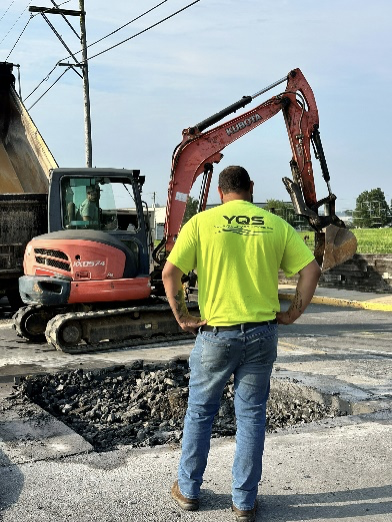
Before excavation, the area is marked to identify the location of underground utilities.
Breaking Up Soil:
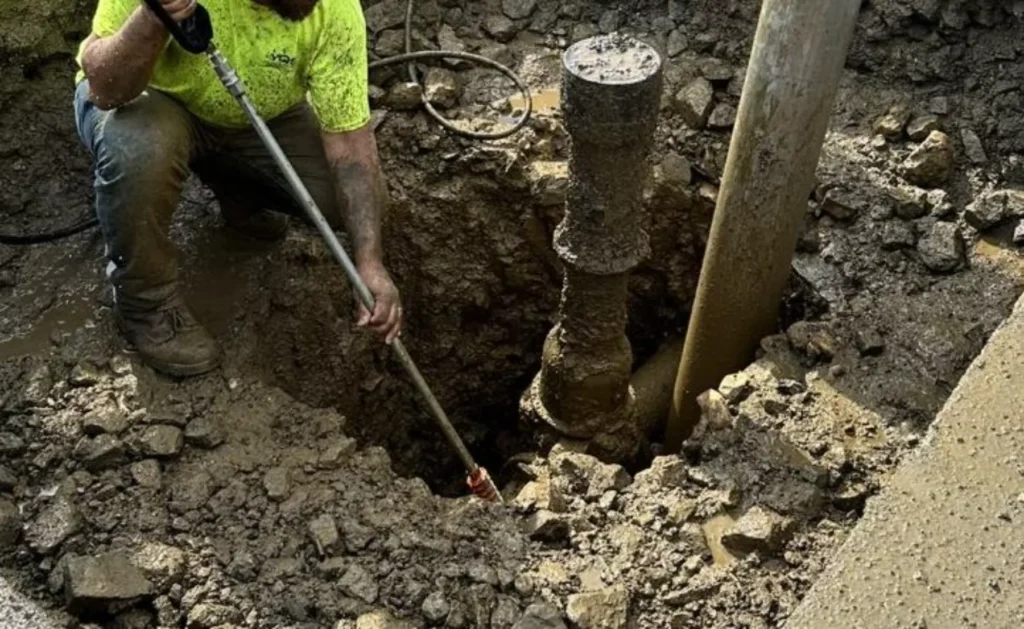
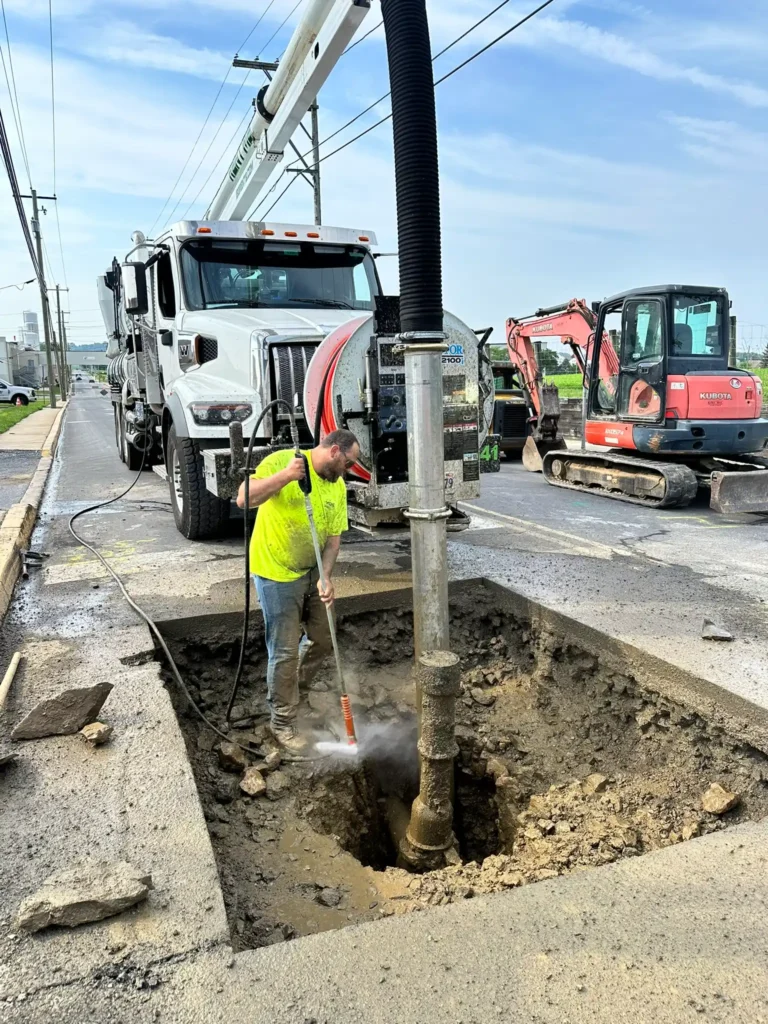
A specialized nozzle directs high-pressure water jets into the soil, breaking it apart and creating a slurry.
Vacuuming:
A powerful vacuum sucks up the slurry and debris into a debris tank on the truck.

Contact YQS at:
717-462-7920 or Jcsalas@yourqualitysolutions.com